

For many service-based businesses a website is more than an online brochure. It is an important tool for generating enquiries and attracting potential customers.
A website can receive visitors from Google Search social media advertisements and other marketing channels. But knowing how many people visit the website is not enough. Businesses also need to understand which visitors become leads and what actions they take before contacting the business.
Google Analytics 4 can help businesses measure these interactions and use the data to improve their lead generation strategy.
What Is Lead Generation?
Lead generation is the process of attracting people who may be interested in a product or service and encouraging them to provide an enquiry or take another valuable action.
A lead could be a contact form submission phone call booking request quote request or another business-specific action.
The exact definition of a lead depends on the business.
For a digital marketing agency a lead might submit a form asking for a marketing proposal. For a restaurant it could be a reservation. For a real estate business it could be a property enquiry.
Why Analytics Matters for Lead Generation
Without analytics it can be difficult to understand where leads are coming from.
A business may receive enquiries but not know whether they came from SEO Google Ads social media or another marketing channel.
Google Analytics can help connect website activity with important actions.
This allows businesses to understand which sources are attracting visitors and which sources are contributing to leads.
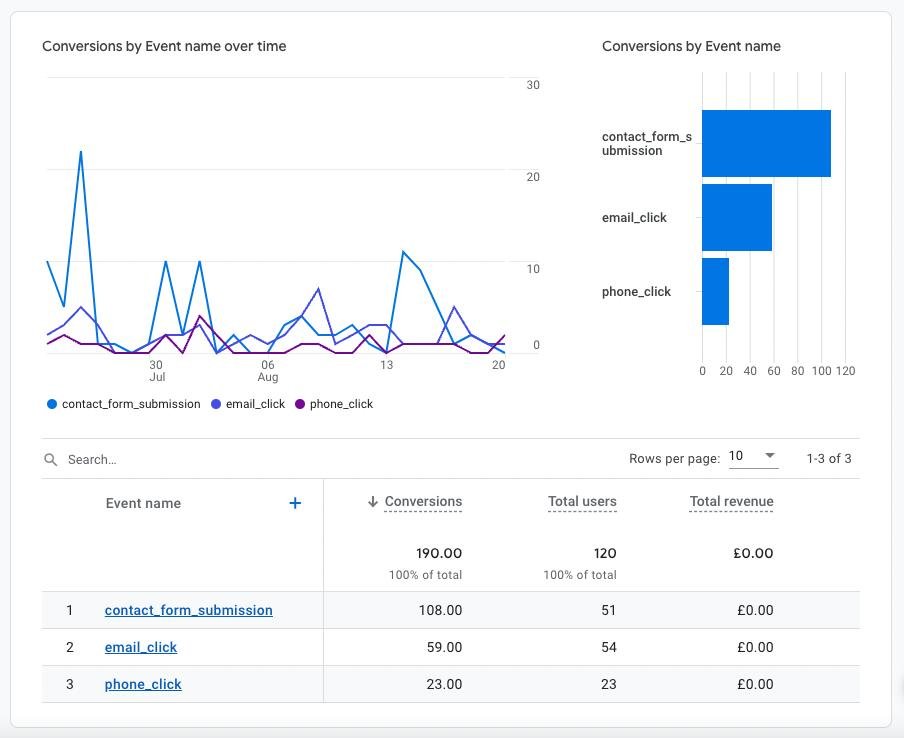
Tracking Lead Generation Events
GA4 uses events to measure user interactions.
Businesses can track important actions such as form submissions button clicks and other interactions that are connected to lead generation.
Once these actions are configured correctly they can be analyzed as part of the overall marketing strategy.
This gives businesses more information about what happens after someone reaches their website.
Understanding Lead Sources
Different marketing channels can produce very different results.
Organic search may generate consistent visitors while paid advertising may generate faster traffic. Social media may create awareness while referral websites may bring highly targeted visitors.
Analytics can help compare these sources.
The goal is not always to find the channel with the most traffic. It is to understand which channels attract visitors who are more likely to become valuable leads.
Improving Landing Pages
Landing pages can have a major impact on lead generation.
A visitor may arrive on a service page but leave without taking action.
Analytics can help identify pages that receive traffic but generate few conversions.
Businesses can then review the page headline content benefits trust signals form design and call to action.
Improving these elements may create a better experience for potential customers.
Measuring Conversion Rates
Conversion rate helps businesses understand how effectively their website turns visitors into leads.
For example if 1,000 visitors reach a website and 40 submit an enquiry the website has generated 40 leads from that traffic.
Monitoring conversion performance over time can help businesses understand whether website changes and marketing improvements are producing better results.
SEO and Lead Generation
SEO can generate valuable organic traffic but rankings alone do not guarantee leads.
A page can rank well and attract visitors without generating many enquiries.
Analytics can help businesses identify which organic landing pages contribute to lead generation.
This information can help marketers prioritize SEO work around pages and topics that have stronger business value.
Improving Lead Quality
Not every lead has the same value.
A website may generate many enquiries but some may not match the business target audience.
Businesses should therefore consider lead quality as well as lead quantity.
Analytics data can be combined with information from CRM systems or other sales tools to better understand which marketing channels generate useful customers.
Using Analytics for Continuous Improvement
Lead generation should be treated as an ongoing process.
Businesses can analyze their data identify weak points make improvements and monitor the results.
A small change to a landing page form or call to action can sometimes make a meaningful difference.
The important part is to measure the results rather than relying only on assumptions.
Final Thoughts
Google Analytics can help businesses understand how website visitors move toward becoming leads.
By tracking important events analyzing traffic sources measuring conversions and improving landing pages businesses can create a more data-driven lead generation strategy.
The goal is not simply to attract more visitors. It is to attract the right visitors and make it easier for interested people to take the next step.
