

Keyword research is one of the most important parts of search engine optimization. Before creating a website page or publishing a blog a business needs to understand what its potential customers are searching for. Search engines connect people with information based on the words and phrases they enter into the search box. When a business understands those searches it becomes easier to create content that matches what people actually want to find.
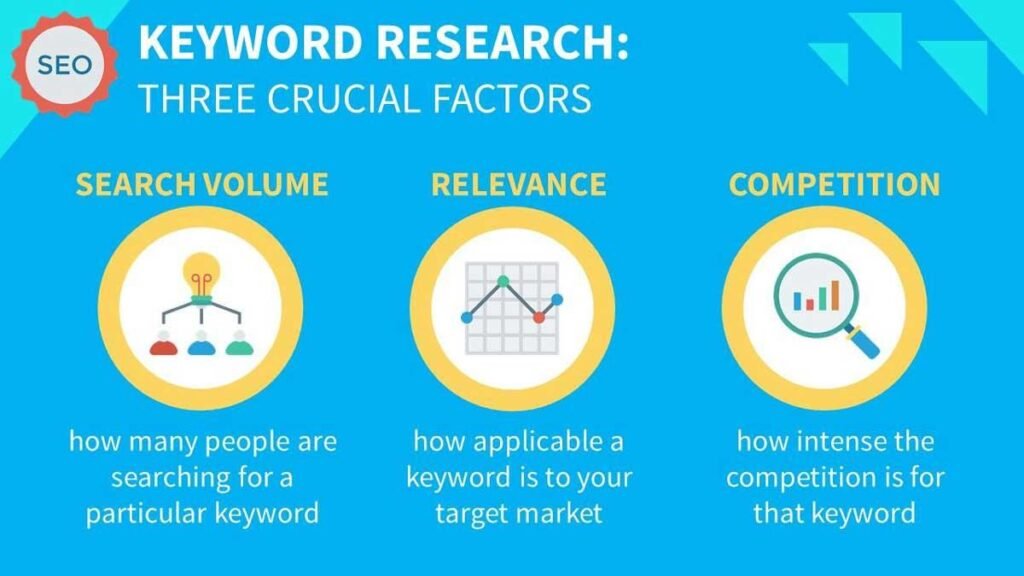
Keyword research for SEO is not simply about finding a popular phrase and placing it repeatedly throughout an article. A useful keyword strategy begins with understanding the audience. It looks at the questions people ask the problems they have the products they need and the services they are looking for. This makes keyword research a valuable part of both SEO and digital marketing.
Imagine a person searching for digital marketing services. They may type digital marketing agency into Google. Another person may search for digital marketing agency in Mumbai. Someone else may search for affordable digital marketing services for small businesses. All three searches relate to a similar subject but their intentions can be very different. Understanding this difference helps a business create more relevant pages.
Search volume is one factor that people often consider when researching keywords. Search volume indicates how frequently a phrase is searched over a particular period. A keyword with high search volume may appear attractive because it potentially represents a large audience. However high search volume usually comes with higher competition. A smaller keyword can sometimes produce better results when it is more closely connected to the business.
This is why keyword relevance is more important than simply choosing the biggest keyword available. If a business sells SEO services to local companies then a highly specific phrase such as SEO services for small businesses in Mumbai may be more useful than a broad phrase such as SEO. The specific search may have fewer searches but the people using it could be much closer to becoming customers.
Search intent is another important part of keyword research. Search intent describes the reason behind a search. Someone searching for what is SEO is probably trying to learn. Someone searching for best SEO agency may be comparing providers. Someone searching for hire SEO agency may already be looking for a service. These different searches require different types of content.
Informational keywords are generally used when someone wants an answer or explanation. Examples include how SEO works how keyword research works and what is local SEO. These searches are useful for blog content guides tutorials and educational articles. Informational content can introduce a brand to people who may later become customers.
Commercial keywords usually indicate that the person is researching options before making a decision. Searches such as best SEO company SEO agency comparison or professional SEO services can indicate that the person is evaluating providers. Content targeting these searches should help the visitor compare options understand benefits and make an informed decision.
Transactional keywords can show stronger purchasing intent. Searches such as hire SEO agency SEO consultation SEO audit service or SEO services near me indicate that the searcher may be ready to take action. Service pages and landing pages are often suitable for these searches because they can explain the service process benefits and next steps.
Navigational keywords are different because the person is usually trying to find a particular website or business. Brand searches are common examples. When someone searches for a specific agency name followed by services or contact they are usually looking for a particular destination rather than general information.

Long tail keywords are another valuable part of an SEO keyword strategy. These are usually longer and more specific search phrases. They may have lower search volume than broad keywords but they can provide more context about what the person wants. A search such as SEO services for restaurants in Mumbai tells a business much more about the searcher than the single word SEO.
Long tail keywords can be especially useful for small and growing businesses. Competing directly against large websites for broad terms may take considerable time. More specific keywords can provide opportunities to reach a smaller but more relevant audience. Over time these pages can contribute to a wider SEO strategy.
Keyword competition should also be considered. Some keywords have many websites competing for the same search. Established companies may already have strong websites backlinks and years of content supporting those terms. A newer website may find it more practical to target specific keywords first while gradually building authority.
Competitor research can provide useful keyword ideas. Businesses can review the subjects competitors cover and identify areas where customers may still need better information. This does not mean copying competitor content. The purpose is to understand the market and discover opportunities for original content.
Keyword mapping is another useful SEO practice. It involves assigning specific keywords to relevant pages on a website. A main service page might target SEO services while a separate page could focus on local SEO services. Blog articles can then cover supporting subjects such as keyword research technical SEO content writing and Google search visibility.
Without keyword mapping a website can sometimes create multiple pages targeting almost the same topic. This can make the site structure confusing. Instead of creating many similar pages businesses should determine which page is most appropriate for each search intent.
Keyword clustering can also make content planning easier. Several related keywords may have the same underlying intent. Rather than creating a separate article for every small variation a business can create one comprehensive page that naturally covers the topic. This can make the content more useful for readers.
A good keyword research strategy also considers the actual services offered by a business. There is little value in ranking for a keyword that brings visitors who have no connection to the business. The best keywords create a relationship between customer needs and business solutions.
For example a restaurant marketing agency could research keywords related to restaurant marketing digital marketing for restaurants restaurant SEO and social media marketing for restaurants. These searches are closely connected to the agency’s target audience. Content built around them can attract more relevant visitors.
Local keyword research is especially important for businesses that serve particular locations. A company operating in Mumbai may research terms such as SEO company in Mumbai SEO agency in Mumbai digital marketing agency Mumbai and local SEO services Mumbai. These terms help connect the service with a geographic area.
Businesses should not create location pages simply by changing a city name. Search engines and users expect useful information. A genuine local page should explain the services available in that area and provide information that is actually relevant to local customers.
Keyword research tools can make the research process easier. They can provide estimates of search volume competition related terms and trends. However these tools should be used as guidance rather than absolute truth. A keyword may look attractive in a tool but still be unsuitable for the business.
The search results themselves can also provide useful information. Looking at the pages already ranking for a keyword can reveal what type of content Google considers relevant. If most results are detailed guides then a short promotional page may not satisfy the same intent.
This is why keyword research should be combined with search result analysis. The objective is not only to identify a phrase but to understand what people expect when they use it.
A strong keyword strategy can also improve website content planning. Instead of randomly publishing articles businesses can create content around real customer questions. This gives every article a purpose and helps build a more organised website.
Keyword research should therefore be considered a foundation rather than a one-time task. Search behaviour changes over time. New products appear. Customer questions change. New competitors enter markets. Search trends can also shift because of technology and changes in consumer behaviour.
Businesses that regularly review their keywords can identify new opportunities. They can update older content and create new pages where there is genuine demand.
The most effective SEO keyword research focuses on relevance intent and value. Search volume matters but it should not control every decision. A keyword is useful when it connects the right audience with the right information at the right stage of the customer journey.
When businesses approach keyword research this way they can build content that feels natural. Keywords become part of the conversation instead of being forced into every paragraph. The result is a better experience for readers and a clearer topic structure for search engines.
